
Priority 4e Enablers
Midwifery/maternity services in family hubs
Directive/ drivers (why does this drive us (what we are being told to do by the ICB, National, NICE guidance etc))
The new NHS Long Term plan fit for the future highlights the importance of moving care from hospitals to community. This is in-line with the Annex F Family Hub service expectations.
Minimum expectations according to Annex F Family Hub service expectations:
- Availability: Services should be accessible in one or more of the following ways:
- Face-to-face at a family hub.
- Through the hub but delivered elsewhere (e.g. outreach, maternity clinics, VCS organisations).
- Virtually via the hub (e.g. online information or interactive services).
Core offer includes:
- Antenatal and postnatal care.
- Support for birth preparation and recovery.
- Information and guidance on maternal health and wellbeing.
- Referral pathways to specialist services when needed.
Integration goals:
Midwifery services should be joined up with other Start for Life services, such as:
- Health visiting
- Infant feeding support
- Perinatal mental health
- Parenting support
Enhanced delivery (‘Go Further’ option):
- Family hubs are encouraged to co-locate or closely integrate midwifery services with other early years and health services.
- This may include shared care plans, multi-agency working, and joint training across services.
🔗 Linking Annex F and the 10-Year Health Plan
| Annex F – Family Hub Service Expectations | 10-Year Health Plan for England: Fit for the Future |
| Midwifery services must be accessible via family hubs: face-to-face, virtually, or through outreach. | Shift from hospital to community: The plan promotes decentralising care, aligning with family hubs as community-based access points. |
| Core Offer includes antenatal/postnatal care, birth preparation, maternal wellbeing, and referral pathways. | Prevention over treatment: Emphasises early intervention, maternal health, and reducing adverse outcomes during childbirth. |
| Integration with Start for Life services: health visiting, infant feeding, perinatal mental health. | Joined-up care models: Encourages integrated services and continuity of care, especially for vulnerable groups. |
| Enhanced delivery: co-location, multi-agency working, shared care plans. | New operating model: Supports multi-disciplinary collaboration and digital transformation to improve service delivery. |
| Equity and access: Services tailored to local needs and available through various modalities. | Reducing inequalities: Targets continuity of care for BAME and deprived communities through CORE20PLUS5. |
Strategic alignment
Both documents advocate for:
- Community-centred care: Family hubs as localised, accessible platforms.
- Integrated service delivery: Midwifery embedded within broader health and wellbeing frameworks.
- Digital and virtual access: Expanding reach through online services.
- Equity and inclusion: Prioritising underserved populations.
Midwifery services within family hubs must meet national strategic goals and local delivery expectations.
Insights (that inform the drive) – data, service user feedback or patient stories
The Lancashire and South Cumbria area has a diverse population of around 1.8 million people. The population is served by four local authorities: Blackpool council, Lancashire County Council, Blackburn with Darwen Borough Council and Westmorland and Furness Council. These councils all serve populations with very different demographics. Each area has received different funding towards Family Hubs. Now with the roll out of Family Hubs across the nation all areas have Family Hubs. Across the system the services available are slightly different and the Family Hub leads with the LMNS prevention team are looking at standardising this to ensure equity and equality of access to services across Lancashire and South Cumbria.
Family Hubs – Blackpool Better Start
Homepage | Westmorland and Furness Family Hubs
Lancashire Family Hubs Network – Lancashire County Council
Why is it important – for women, for foetuses / babies / long-term health of child, economy, education
Midwifery services in family hubs ensure that antenatal and postnatal care, birth preparation, and maternal wellbeing support are accessible to all families—not just those who can easily reach hospital-based services. Family hubs offer care face-to-face, virtually, or through outreach, making it easier for families in deprived or rural areas to get the support they need. This approach directly addresses health inequalities and supports the NHS CORE20PLUS5 strategy to improve outcomes for underserved populations.
The plan (Equity Plan)- what we have already achieved, what we are working on and what are our future plans- timescales
The Equity and Equality Guidance for local maternity systems Action 4e Intervention 1 establish community hubs in the areas with the greatest maternal and perinatal health needs. Has been achieved with Family Hubs being prioritised in areas of greatest need. All family hubs have midwifery services running from them.
However, it has been identified that not all Family Hubs have the same levels of services running from them. Therefore, the LMNS with Family Hub services are currently mapping what is available across the different areas. So that we can assess the services that are available and whether they meet the needs of the populations that they serve from the point of view of the equity and equality guidance. This working group is also sharing best practice and what is working well across the patch.
World Breastfeeding Week 2025 Celebration Blackpool Family Hubs
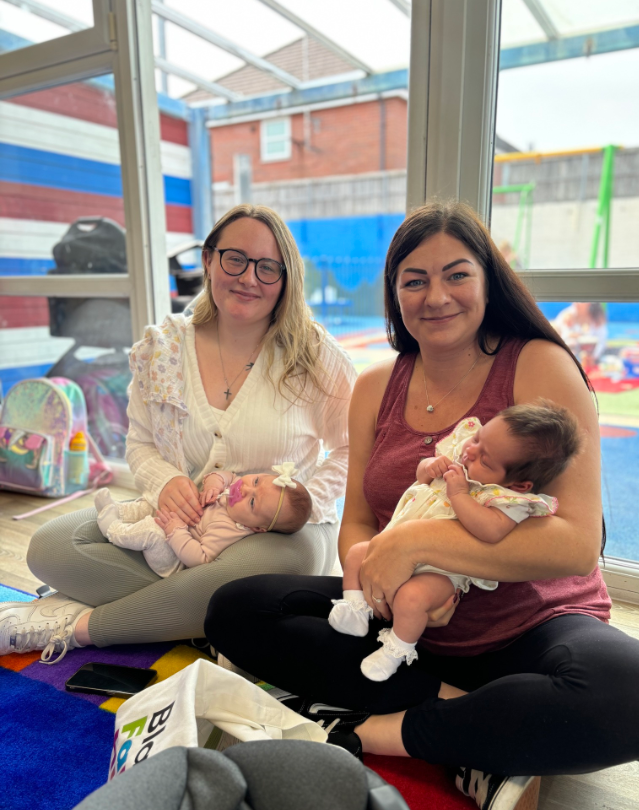
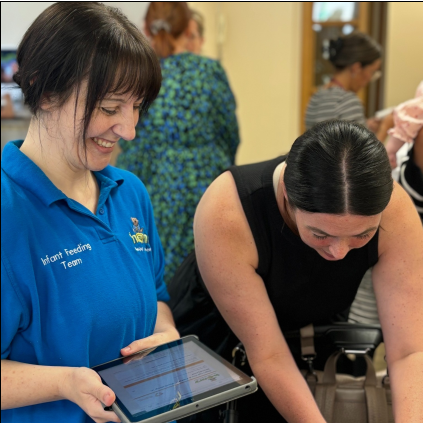
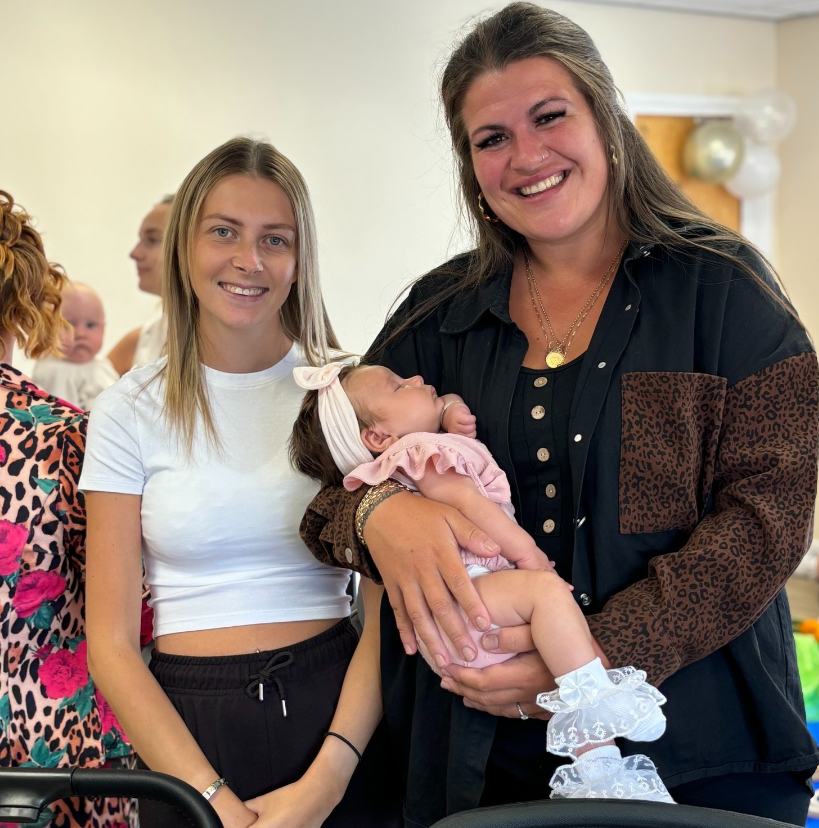
The voluntary, community, faith and social enterprise (VCFSE) sector plays a vital role in enhancing equitable and inclusive midwifery care, particularly for underserved and vulnerable populations. Their contributions are multifaceted and deeply embedded in local maternity systems.
The Equity and Equality guidance for local maternity systems Action 4e Intervention 2: work with system partners and the VCFSE sector to address the social determinants of health.
The new Fit for the Future 10-year health plan for England references community groups, voluntary sector and public involvement in the context of:
- Community-based care transformation
- Public engagement through Change NHS
- Prevention and Health Inequalities
- Local partnerships and integrated care systems
Suggesting that VCSFE organisations are implicitly included in the plan’s vision for collaborative community-led health reform.
The Maternity and Neonatal Voices Partnership guidance emphasises the importance of inclusive engagement with diverse communities, particularly those experiencing health inequalities. Including but not limited to:
- Ethnic minority groups
- People with disabilities (including learning disabilities)
- LGBTQ+ individuals
- Intersex, transgender and non-binary people
It encourages that Integrated Care Boards (ICBs) and Local Maternity Neonatal Systems (LMNSs) to ensure that service users’ voices are embedded in decision-making and that local MNVPs are accessible to all. VCFSE groups and organisations are well placed to support co-design of services with marginalised groups thus providing lived experience and reducing inequalities in maternity and neonatal care. They are therefore in an excellent position to support the work of the MNVP and therefore the wider LMNS.
Feedback:
“The volunteer is amazing; the support she has given me, and my family is overwhelming, and we wouldn’t be where we are today without her. She was always there at the end of the phone when I needed her and was my voice in meetings! She recognised my anxieties and encouraged me to change my way of thinking, into knowing I am a good mum. I have been so touched by the amount of praise and lovely things she has said about me; no one has ever told me they are proud of me or said “well done” until I met Rachael and the volunteer. Home-Start are amazing, and I will be forever grateful for everything they do for me.” Mum with twins supported by volunteer at home.
“We really like the volunteer and look forward to her visits. She has given us lots of information and advice and shows that she cares about us and wants the best for us. We see her as a motherly figure – she is firm with us sometimes, but it’s because she cares. She is kind to us and makes us feel comfortable and not judged.” Ante-natal support provided to new parents-to-be by home-visiting volunteer.
Although I didn’t access daily support, having the volunteer there was helpful and reassuring. I had just become a single mum, had a c-section and felt lost. The volunteer helped with some jobs that I couldn’t do and gave me time out and the chance for self-care, whilst she held my son, this was a big help as I had no-one to depend on and wouldn’t have been able to shower as he wanted to be held all the time. The volunteer was lovely and caring towards us both” Mum accessing First Ten Days support
“Having someone there for me, to make sure I was ok, that I was resting, was eating and drinking made it real difference to my own mental health and self-worth. And I appreciated that she helped make my bed, although it is a small thing to someone, I couldn’t do this because of my c-section, and it would have impacted mentally not having clean sheets and a clean carpet. I know usually this isn’t what the support is but it made a big difference to me” Mum accessing First Ten Days support
Why is it important
The Marmot Review makes a compelling case that health inequalities in England are widening and that these disparities are deeply rooted in the social determinants of health-the conditions in which people are born, grow, live, work and age.
It highlights that communities facing hardship and adversity require tailored interventions and connecting with these communities often through VCSFE organisations allows health systems to:
- Understand lived experiences
- Co-design services that reflect local needs
- Build trust and improve uptake of health services
We need to embed community voice in service design by partnering with VCSFE to reach underserved groups and use data and feedback to monitor progress and adapt.